

Keeping Kitties Warm This Winter...
Shelter & Water Bowl Warmers
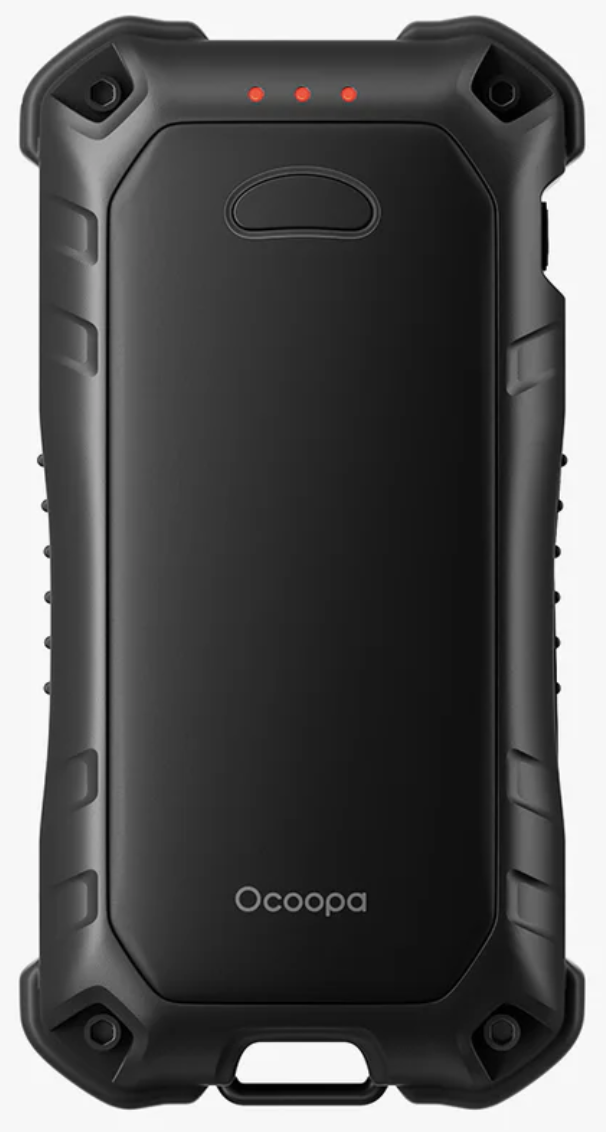
Ocoopa® keeps the cats warm at AbbeyLaneCats.org


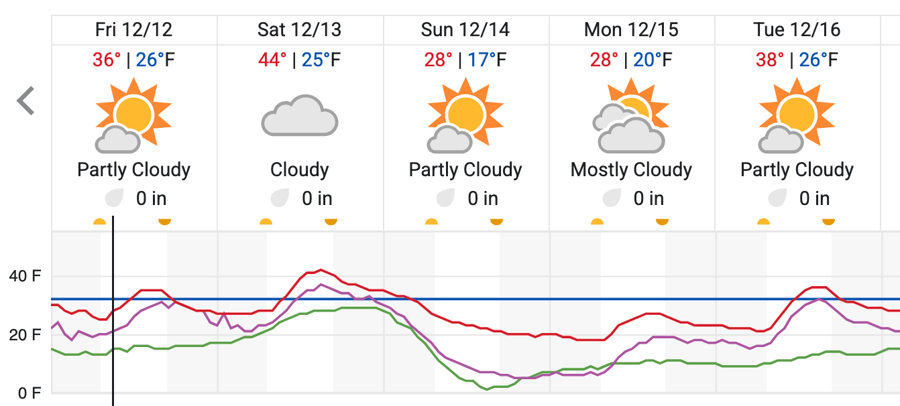
SUB-FREEZING TEMPERATURES ARE ALREADY HERE!
A message from Doug Hines, Advocate for the Abbey Lane Cats:
I just couldn't stand by and watch the cats struggling to survive outdoors without help.
Since there's no electric outlet in the woods (obviously), I had to figure out a way to keep the cats' water bowl from freezing and to keep the cats' shelters warm both day and night.
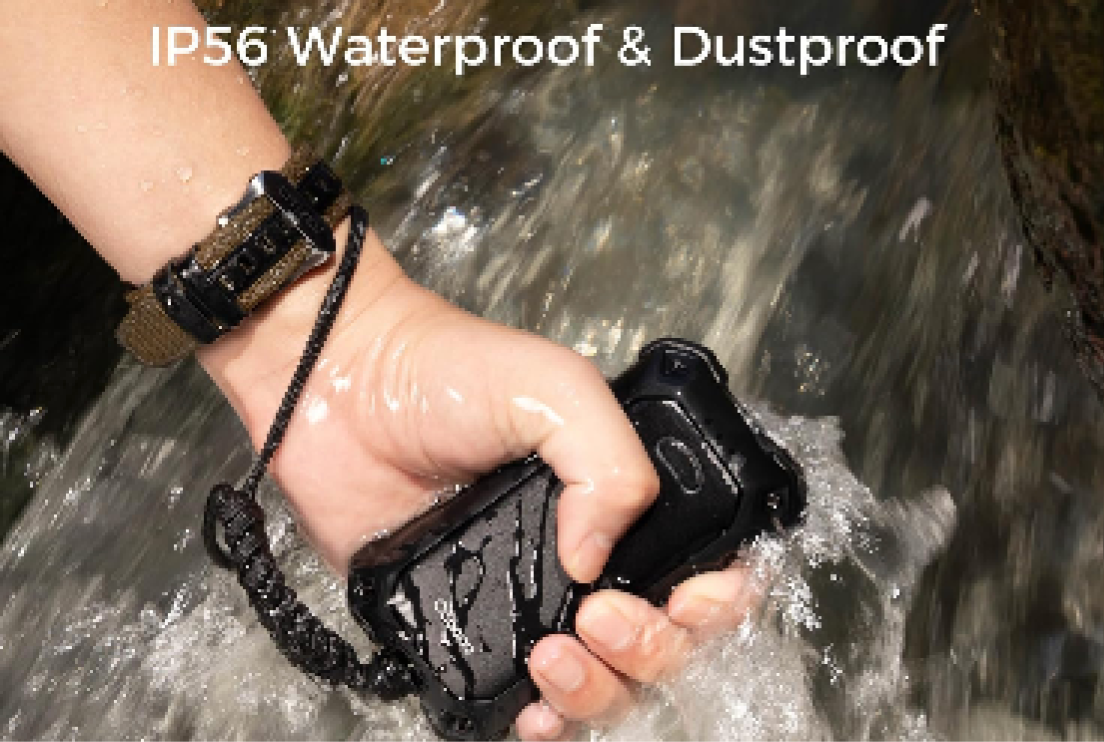
After reviewing many products and after doing research and testing, I've chosen the waterproof Ocoopa IP56 hand warmer.
Unlike microwaveable pads which don't last very long, the Ocoopa IP56 10,000 mAh will maintain sufficient heat to last up to 12 hours (on the medium setting). I'll have one set of warmers keeping the cats warm, while another set is charging up at home.
And NO, the Ocoopa hand warmers won't ignite the straw in the cats' shelters. Its maximum temperature on the medium setting is around 109-117ºF,
HELP THESE KITTIES SURVIVE THE WINTER!
which is far below the ignition point of straw—typically 350–716°F (179–380°C) depending on conditions like moisture and exposure. Actually, 117°F poses no danger to the cats or the straw—it's a very safe, moderate level of warmth. I have a detailed analysis of this situation if you are interested.
Rechargeable hand warmers like this are designed for safe, low-level heat without open flames or high-risk elements, and there's no evidence in product details or user reports of fire hazards, overheating incidents, or issues with flammable materials.
THAT'S WHERE YOU CAN HELP!
I can't afford more hand warmers on my small social security income, and I've already maxed out my credit card building shelters, feeding stations, doing warmer product testing, and buying cat food.
I need your help to keep the cats warm this winter. I've placed the Ocoopa hand warmers on the Amazon Wish List to enable easy ordering. The cats thank you!
A Special 'Thank You' to Ocoopa
It was 5ºF when I started out on my morning trek 1/2 mile round trip to take supplies to the Abbey Lane Cat Colony. My 21 year-old car had broken down days ago, and rather than take my hand wagon to pull supplies, I walked carrying a plastic crate. No wet food and water this morning. Wet food and water would freeze almost instantly. No, this trip was to add dry food, and to exchange a fresh set of hand/shelter warmers replacing last night’s set.
Knowing it would be extremely cold out, before I left home I turned on all of the hand warmers. I knew I couldn't turn them on at the colony site while wearing big gloves. Starting 23 warmers out in front of the cat shelters would take too much time, and my fingers might freeze.
I also carried two Ocoopa IP56/UT4 hand warmers in my coat pockets set to high-heat.
My mission was successful. The warmers which I would normally have put under the heavy glass meal bowls and water bowls were now doubled-up supplementing the other shelter warmers.
I walked home slowly while feeling the satisfaction that I had done everything I possibly could to help the cats survive the cold. I also knew that I wasn’t alone. A lot of people at Ocoopa had made this morning possible.
In addition to everyone at Ocoopa, I especially want to thank your B2B lead, Pan (Hongpan Zhou) who donated the additional UT5 Nano hand warmers. Although those warmers are smaller, they played an equally big role in this mornings hand warmer placement. They are, as I write this message, in the shelters assisting the big hand warmers to keep the cats warm. Thank you Pan.
Great job, everyone at Ocoopa. Thank you, - Doug Hines
Cats in Winter...
Did you know?
Increased metabolic demand in the cold:
• Cats are small mammals with a high surface-area-to-volume ratio, so they lose body heat quickly.
• To maintain core body temperature (around 101–102.5 °F), their basal metabolic rate rises in cold conditions.
• Studies on mammals in general and cats specifically show that energy requirements can increase 20–50 % or more when ambient temperature drops below the lower critical temperature of their thermoneutral zone (roughly 86–97 °F for cats).
• Example: A 1982 study on energy requirements of cats (National Research Council, Nutrient Requirements of Cats) showed that daily energy needs rise linearly as temperature falls below ~77 °F (25 °C).
• In practical terms, a cat that needs ~200–250 kcal/day at 68 °F may need 300–400+ kcal/day at 20–30 °F, especially if wet, windy, or sleeping in an unheated shelter.
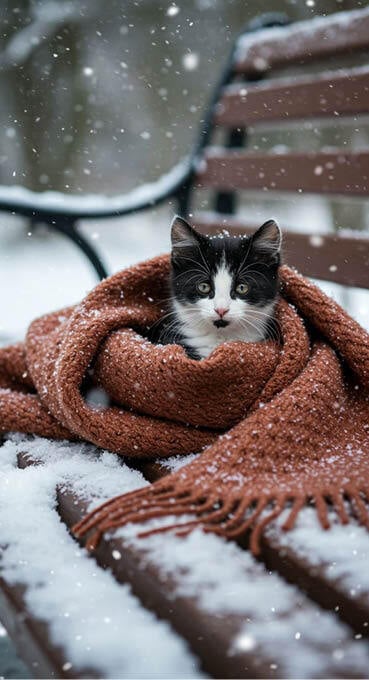
• Colony managers almost universally report that food disappearance doubles or triples in winter compared to summer, even when the same cats are present.
• Many caretakers in northern states and Canada deliberately increase portions by 50–100 % once nighttime temperatures drop below freezing, and the cats clean the bowls.
Additional winter energy costs:
• Wet fur from rain/snow drastically increases heat loss → more calories needed.
• Wind chill → more calories.
• Shivering (active thermogenesis) → big calorie burn.
• Cats that are underweight, elderly, or have thin coats feel this effect even more.
In short: yes, cats will eat noticeably more when it gets cold, and increasing the amount you put out (and the frequency) is one of the most important things you can do for them this winter.
SO I BET YOU KNOW WHAT'S COMING NEXT...
WE NEED MORE CAT FOOD & SHELTER WARMERS !! PLEASE DONATE TO KEEP THE CATS FED AND WARM THROUGH THE COMING WINTER.